

Snap Shot:
-
Ready to garden in Winnipeg?
-
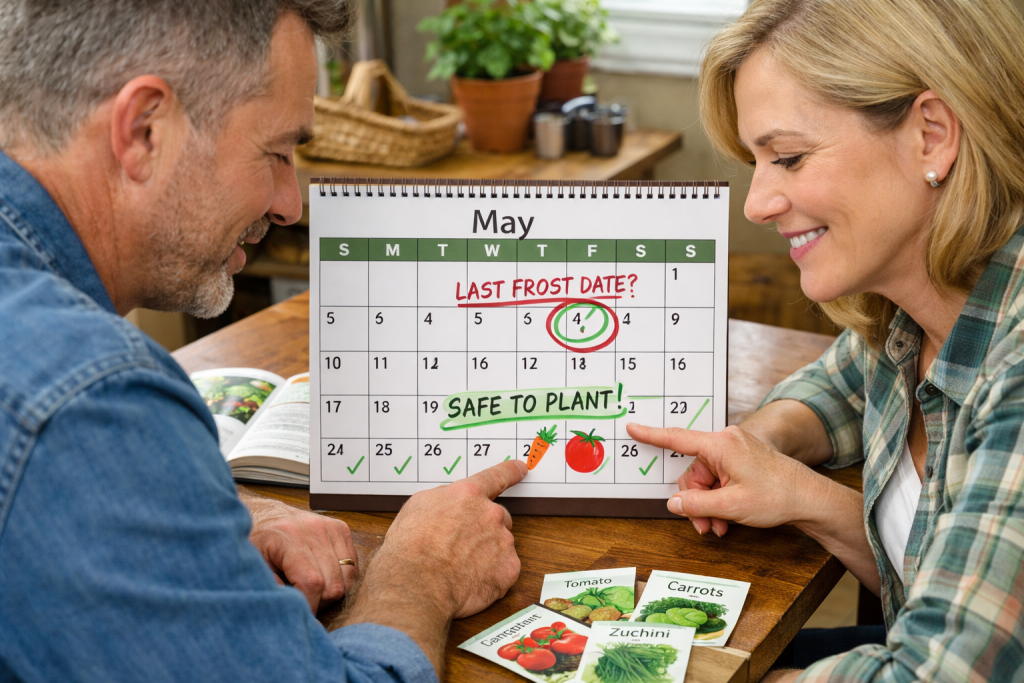
Start after May 24 for frost-sensitive plants
-
amend clay soil with 2-4 inches of organic compost.
-
For landscaping, plan hardscaping for spring (once ground thaws) or fall, and
-
schedule plantings for April/May or autumn.
-
Book a landscaper 2-3 months ahead for spring projects.
-
Our Winnipeg climate demands smart timing and soil prep.
-
This guide gives you local, expert-backed strategies to beat frost and transform tough soil for a thriving, beautiful yard.
Table of Contents
1. Introduction: Conquering Winnipeg's Unique Gardening Challenges
2. Mastering the Calendar – Safe Planting Dates for your Winnipeg Garden
2.1. The Golden Rule: Understanding Winnipeg's Last Frost Date
2.2. A Staged Planting Strategy for Every Crop
2.3. Advanced Techniques: Soil Temperature & Natural Signs
2.4. Proactive Frost Protection for Peace of Mind
3. Transforming Your Soil Foundation – Amending Winnipeg's Clay Soil
3.1. Why Clay Soil is a Challenge (and an Opportunity)
3.2. The #1 Solution: Incorporating Organic Matter
3.3. Effective Techniques: Raised Beds and Cover Crops
3.4. Specialized Care: Watering and Managing Clay Soil
4. The Winnipeg Landscaper's Calendar – Timing Your Project
4.1. The Ideal Windows for Your winnipeg Planting & Hardscaping
4.2. Why Booking Early is Your Secret Weapon
4.3. Case Study: A Season-by-Season Project Plan
5. Conclusion: Your Partner for a Winnipeg Paradise
1. Introduction to: Winnipeg Spring Gardening Guide
Hey there, Winnipeg gardener! If you have ever felt excitement about spring planting turn into worry over a late May frost, or if you have ever watched water pool on your lawn instead of soaking in, you are not alone. Gardening and landscaping in our beautiful city come with a unique set of tests, courtesy of our beloved Prairie climate. That enthusiasm for cultivating gorgeous, productive outdoor spaces is stronger than ever, but it needs a plan tailored to our home’s specific rhythms.

Two of the biggest questions we hear at Sunshine Maintenance & Landscaping are: “When is it truly safe to plant?” and “What can I do about this heavy, stubborn clay soil?” These are not just minor details—they are the foundational pillars of your gardening success. Getting the timing wrong can mean losing tender plants overnight, while ignoring your soil’s structure can lead to disappointing growth, no matter how much care you give.
This guide is your comprehensive playbook, built on local expertise and proven strategies. We will move past generic advice and delve into the specific dates, techniques, and schedules that work right here in Winnipeg. We will demystify safe planting dates for frost-sensitive plants and provide a clear, actionable plan for amending even the heaviest clay soil. Furthermore, we will expand the view to look at the optimal timing for complete Winnipeg landscaping projects, blending both hardscaping and planting into a seamless, stress-free plan.
Think of this as a conversation with a knowledgeable friend who has been through many Winnipeg seasons. Our goal is to equip you with confidence, turning those common challenges into opportunities for a lush, resilient, and incredibly rewarding outdoor space. Let us dig in!
2. Mastering the Calendar – Safe Planting Dates in Winnipeg:
Navigating Winnipeg’s spring is a lesson in patience and precision. The difference between a thriving garden and a frostbitten one often boils down to timing. Let us break down the local knowledge you need to plant with confidence.
2.1. The Golden Rule: Understanding Winnipeg's Last Frost Date
The single most important date for a Winnipeg gardener is the average last spring frost date. This is your seasonal starting gun. While nature varies yearly, the long-term average for Winnipeg reliably centres around May 24—Victoria Day weekend.
This date is a benchmark, not a guarantee. Some years, the frost may retreat earlier; other years, a chilly surprise can occur in early June. Always pair this calendar date with a watchful eye on the 14-day weather forecast. Do not just check daytime highs; nighttime lows are what matter most for frost.
2.2. A Staged Planting Strategy for Every Crop
Smart gardeners do not plant everything on one weekend. They use a phased approach based on a plant’s cold tolerance, which spreads out the workload and maximizes success.
Cold-Hardy Champions:
(Plant 4+ weeks before May 24): These tough crops can be planted as soon as your garden soil is workable in spring—often from mid-to-late April. They germinate in cool soil and can withstand light frosts.
Examples: Onions, peas, spinach, kale, lettuce, radishes.
Cool-Season Crops:
(Plant 2 weeks before May 24): This group prefers cool weather but not hard frosts. Target planting around May 10-15.
Examples: Carrots, beets, potatoes, broccoli, cauliflower, cabbage.
Frost-Sensitive Stars:
(Plant after May 24): These are the plants you must protect. Wait until after the last frost date, when both soil and air are warm. For warmth-lovers like tomatoes and peppers, waiting until early June ensures the soil is sufficiently warm.
Examples: Tomatoes, peppers, cucumbers, beans, squash, zucchini, corn.
2.3. Advanced Techniques: Soil Temperature & Natural Signs
For those who love data or want to sync with nature’s rhythms, these methods offer deeper insight.
The Soil Thermometer Test: This is your most accurate tool. Insert a soil thermometer 2-3 inches deep in the morning.
Cool Crops: Plant when soil is consistently at or above 4°C (39°F).
Warm Crops: Wait until soil is reliably above 16°C (60°F) for beans and 21°C (70°F) for tomatoes and peppers.
The "Soil Clump" Test: A hands-on classic. Grab a handful of soil and squeeze. If it forms a tight, wet ball, it is too wet. If it crumbles freely, it is ready for planting.
Phenology – Nature’s Calendar: Observe the natural world. Folklore and experience suggest planting peas when forsythia blooms, and transplanting tomatoes when lily-of-the-valley flowers.
2.4. Proactive Frost Protection for Peace of Mind
What if you have planted and a surprise frost looms? Do not panic—cover up! Frost protection is a Winnipeg gardener’s essential skill.
The Right Materials:
- Use frost cloth (row cover),
- old bedsheets,
- burlap, or even specially designed plant cloches.
- Avoid using plastic directly on foliage, as it can transfer cold.
Proper Technique: Drape the cover over plants before dusk to trap the day’s ground heat. Ensure it extends to the soil and secure edges with pins or rocks. Remove covers once the morning temperature rises above freezing.
A Pro Tip: Watering the soil lightly before a light frost can help, as moist soil releases heat more slowly than dry soil.
Ready to build the perfect foundation for all these beautifully timed plants? Let us tackle Winnipeg’s other great challenge: the clay beneath our feet.
Ready to Build Your Dream Garden Schedule?
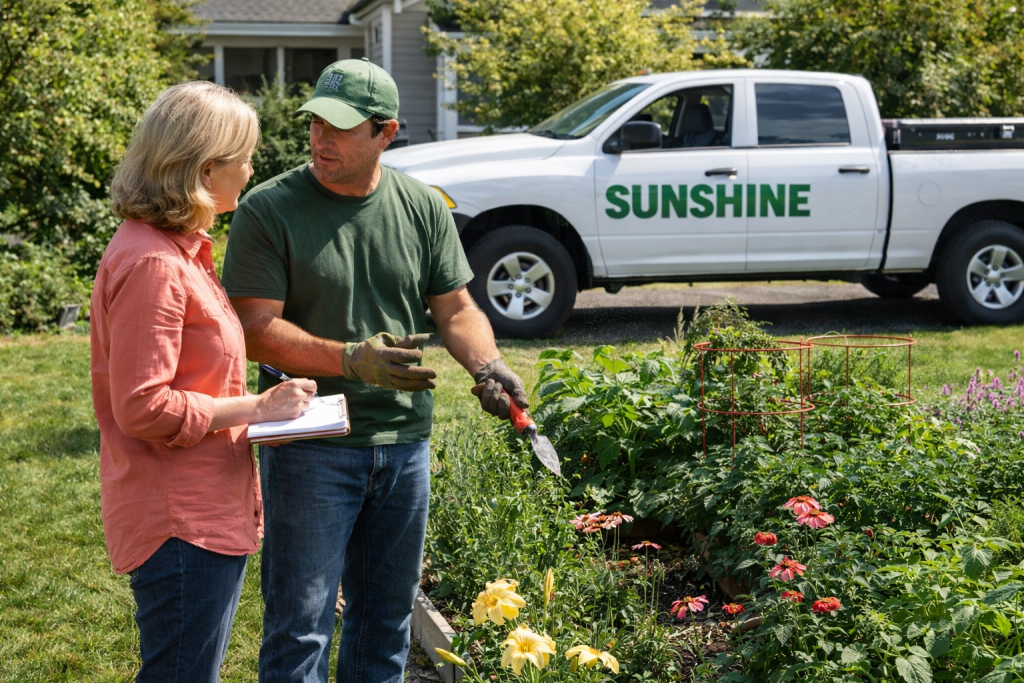
Feeling overwhelmed by dates and temperatures? Our team at Sunshine Maintenance & Landscaping can assess your yard and create a customized planting calendar for you. Contact us for a personalized consultation!
Contact us today for your free estimate.
3. Chapter 2: Transforming Your Foundation – Amending Winnipeg's Clay Soil
Winnipeg’s clay soil can feel like a blessing and a curse. It is typically rich in nutrients but is dense, slow-draining, and hard for roots and gardeners to work with. The good news? With the right approach, you can transform it into a fertile, well-structured garden asset.
3.1. Why Clay Soil is a Challenge (and an Opportunity)
Clay particles are incredibly fine. When wet, they stick together, becoming gummy and sealing out air. When dry, they bake into hard clumps. This leads to:
- Poor Drainage & Compaction: Water pools on the surface or saturates the root zone, suffocating plants.
- Slow Warming: Clay soils stay cold longer in spring, delaying planting.
- Difficulty Cultivating: It is simply hard to dig and work.
However, clay’s negative charge allows it to hold onto nutrients like a magnet, making it naturally fertile. Your goal is not to replace it, but to improve its structure—creating more pore space for air, water, and roots.
A practical guide to amending your winnipeg soil
3.2. The #1 Solution: Incorporating Organic Matter
This is the most effective, long-term solution for clay soil. Organic matter acts like a miracle conditioner, separating clay particles and creating a crumbly, fertile loam.
What to Use:
Well-rotted compost (plant-based or manure), coconut coir, and leaf mold are excellent choices.
How to Do It:
Each spring or fall, add a 2 to 4-inch layer of organic matter over your garden bed. Then, till or dig it into the top 6 to 12 inches of soil. This process, repeated annually, creates lasting improvement.
Healthy & Eco-Friendly Winnipeg Garden Ideas
A Crucial Warning:
Do not add sand to clay soil unless you are mixing it in very specific, large proportions. The common mistake of adding a little sand can create a concrete-like substance.
3.3. Effective Techniques: Raised Beds and Cover Crops
For immediate results or severely challenging areas, consider these strategies:
- Raised Garden Beds: This is a fantastic bypass strategy. By filling a raised frame with a high-quality, well-draining soil mix, you give plants an instant perfect home above the native clay. It also allows for earlier spring warming.
- Cover Crops (Green Manure): Plant crops like clover, annual ryegrass, or winter rye in fall. Their roots penetrate and break up compacted clay. In spring, you till the plants into the soil, where they decompose and add more organic matter.

3.4. Specialized Care: Watering and Managing Clay Soil
Amended clay still needs thoughtful management:
Water Deeply and Slowly: Because water infiltrates clay slowly (as little as 0.01 inches per hour), apply water at a gentle rate for a longer period to allow deep penetration and avoid runoff.
Check Moisture Before Watering: A dry surface crust can be deceptive. Dig down a few inches to see if the soil is truly dry. Overwatering amended clay is still a risk.
Avoid Working Wet Soil: Never dig, till, or walk on clay soil when it is wet. This destroys structure and worsens compaction.
Ready to chat about your garden and lawn care goals?

Reach out by call or text to: 204-229-9789 or click here to submit your information today to arrange a “no obligation” introductory phone call. We look forward to helping you transform your yard.
Tips on how to prepare for a consultation meeting with a landscape or lawn care contractor
4. Chapter 3: The Winnipeg Landscaper's Calendar – Timing Your Project
Whether you are dreaming of a new stone patio or a completely reimagined garden, timing your project is as crucial as the design itself. Here is how to align your vision with Winnipeg’s seasons for the best results and value.
4.1. The Ideal Windows for Planting & Hardscaping
A full landscaping project has two main components, each with its own optimal schedule:
The Best Times for Planting:
- Spring (April-May): This is the classic planting window. The soil is moist, temperatures are moderate, and plants have a full season to establish roots. Spring is perfect for planting trees, shrubs, and perennials.
- Fall (September-October): An excellent, often overlooked second window. Warm soil encourages root growth without the stress of summer heat. Plants establish themselves before winter and hit the ground running next spring. Remember to mulch fall plantings well for winter protection.
- Ready to transform your Winnipeg yard with 10-best perennial suggestions?
The Best Times for Hardscaping (Decks, Patios, Walls):
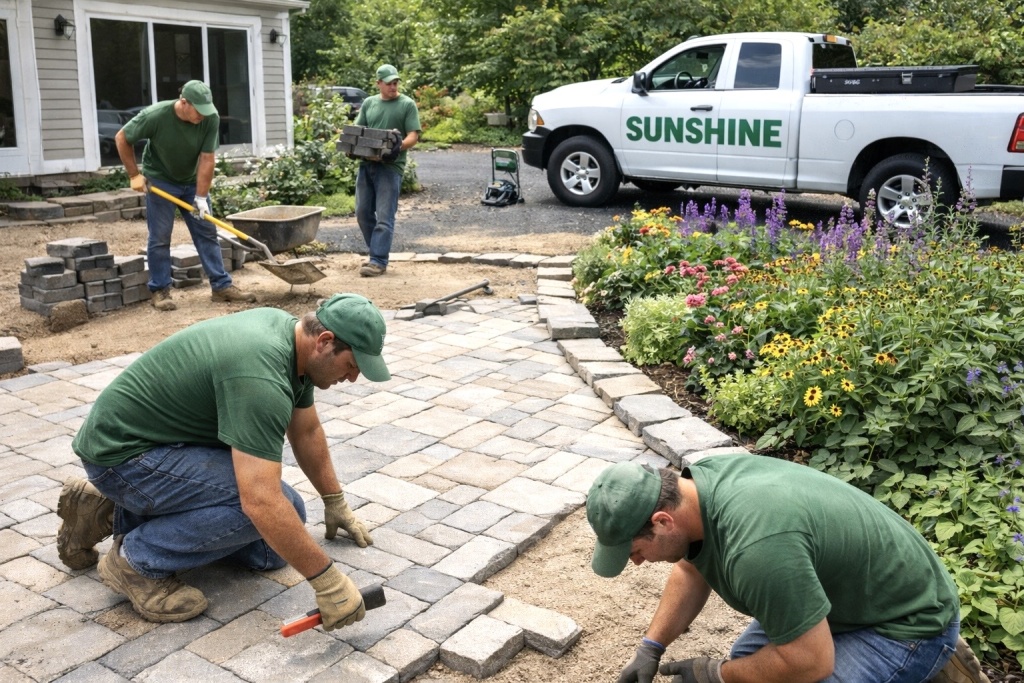
Spring & Fall: Once the ground has thawed in spring and is workable, hardscaping can begin. Similarly, fall is ideal once the heat subsides but before the ground freezes. These seasons offer comfortable working conditions for crews.
A Winter Note: Surprisingly, some above-grade work like deck building can continue in winter if the foundational posts are set before freeze-up.
4.2. Why Booking Early is Your Secret Weapon
The demand for quality landscapers in Winnipeg is highly seasonal. To secure your spot and get the best selection, planning ahead is non-negotiable.
For Spring/Summer Projects: This is peak season. Contact landscapers in late winter or early spring (January-March). For major projects, aiming for 2-3 months of lead time is wise.
For Fall Projects: To prepare for winterization or fall planting, reach out by late summer (August).
Benefits of Early Booking:
- Securing Your Spot: You avoid the summer rush and guaranteed booking delays.
- Better Plant Selection: Nurseries have the widest variety early in the season.
- Potential for Early-Bird Offers: Some companies may have promotional rates to kickstart their spring schedule.
4.3. Case Study: A Season-by-Season Project Plan
Imagine a homeowner wants a new patio (hardscaping) and surrounding perennial gardens (planting).
An ideal, stress-free timeline would look like this:
- January: Contact Sunshine Maintenance & Landscaping for a consultation and design phase.
- February-March: Finalize plans, sign contracts, and order materials. Your project is scheduled for a May start.
- May (Spring): Ground is thawed. Crews install the patio foundation and structure (hardscaping).
- Late May/Early June: Once hardscaping is complete and frost risk is minimal, the team installs all new trees, shrubs, and perennials.
- June & Beyond: You enjoy your new outdoor living space all summer long, with plants having the entire season to establish.
5. Conclusion: Your Partner for a Winnipeg Paradise
Gardening and landscaping in Winnipeg are not for the faint of heart, but the rewards are immense. There is nothing quite like harvesting a tomato from a plant you nurtured from a seedling or enjoying a summer evening on a patio you helped design. The challenges—the late frosts, the heavy clay, the short seasons—are simply puzzles to be solved with the right local knowledge.
We have walked through the essential strategies: respecting the May 24 frost date, using a staged planting approach, and diligently amending clay soil with organic matter. We have also seen how syncing your larger projects with the landscaping calendar and booking early can turn a dream into a smoothly executed reality.
At Sunshine Maintenance & Landscaping, we live and work by this knowledge every day. We are your neighbors
, facing the same weather and soil, and we have built our business on helping Winnipeg homeowners create beautiful, resilient, and joyful outdoor spaces.
Let’s start planning your Winnipeg oasis today. From a customized planting plan to a full-yard transformation, our team is here to guide you every step of the way. Visit our website or call us to schedule your free, no-obligation consultation. Your dream yard is waiting!
Don't miss out! Click here to subscribe today and get the latest blog posts delivered straight to your inbox.